
.png)
June 16, 2026

It’s already been a week since the World Cup kicked off, and brands have been going into overdrive to capitalise on the marketing opportunity that a big worldwide event like this offers. But not all marketing campaigns are equal, and it’s easy to miss the mark.
Previous World Cups have seen some brands misunderstand the assignment when it comes to delivering campaigns that honour the tournament, without trying to jump on the bandwagon for bandwagon’s sake. But for brands that get the balance right, they join a conversation that everyone wants to be part of.
Here’s some brands that are hitting the back of the net with their World Cup 2026 campaigns:
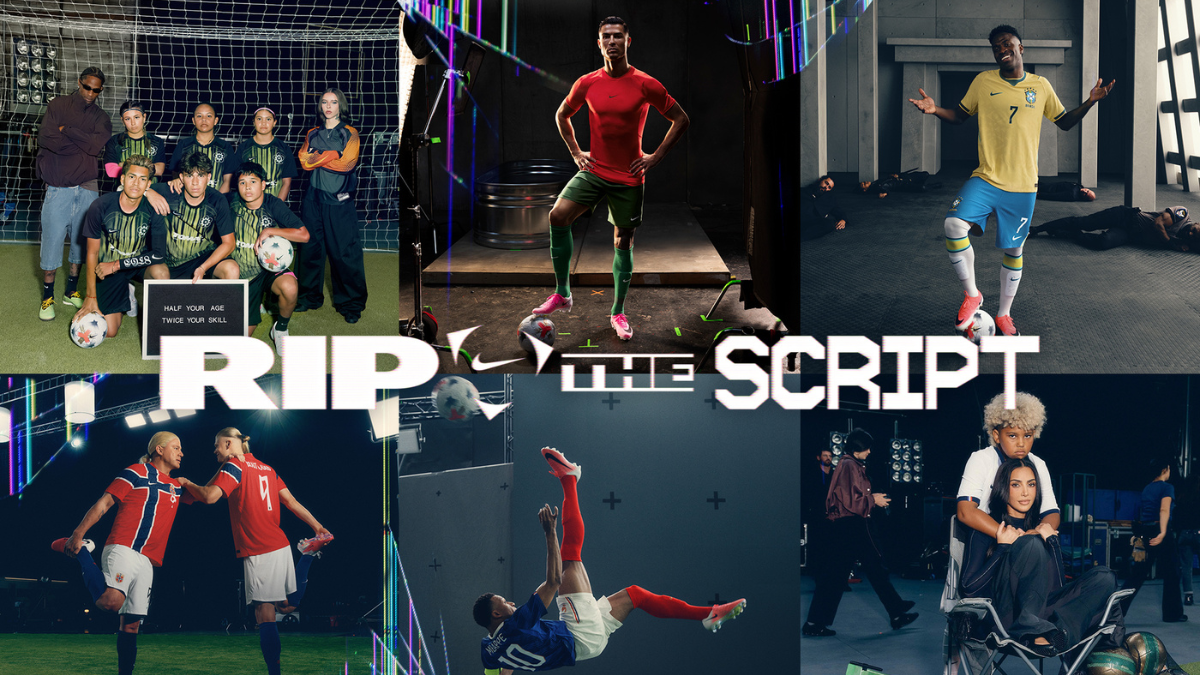
Nike’s "Rip the Script" campaign launched with a six-minute film bursting at the seams with famous faces and cameos, not only from football but also from the worlds of entertainment, music, and fashion. Rather than creating a one-off advert, Nike has built a platform for a summer-long campaign, encompassing social content, collaborations, team kits and more.
The result is a campaign that feels woven into the conversation, despite Nike not holding official sponsorship rights (although it does sponsor several national teams and players). The lesson here for smaller brands is that you don’t need sponsorship rights to capitalise on a major event. A strong idea that taps into your audience can be just as effective.
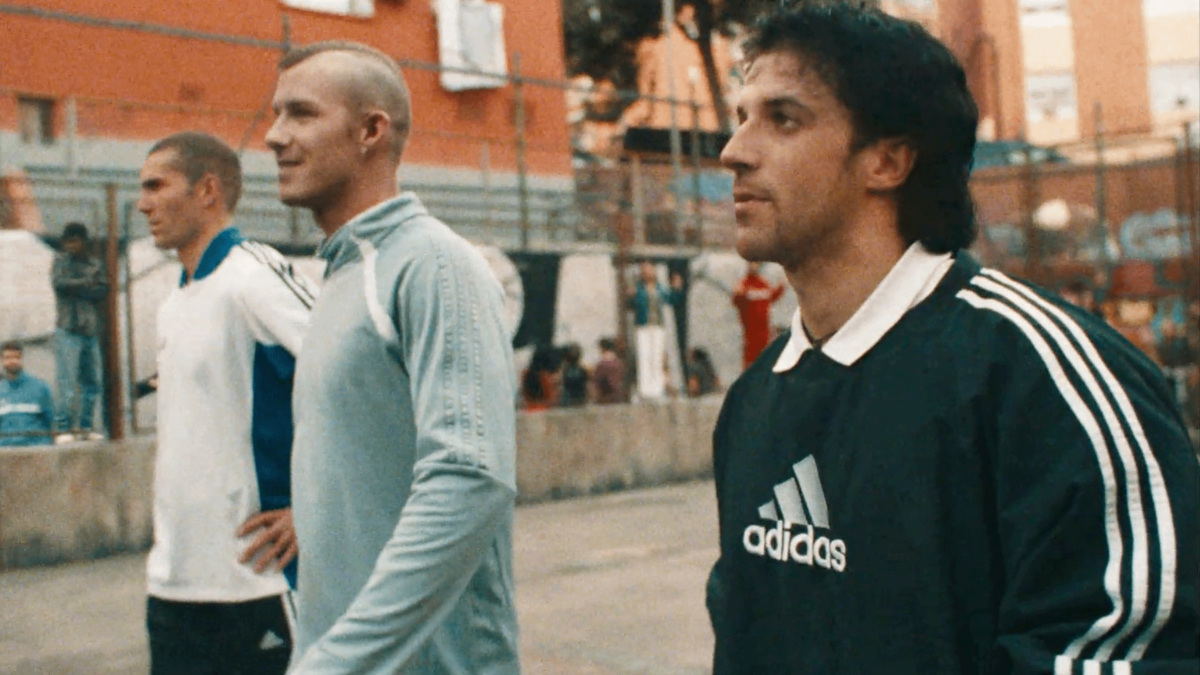
Official World Cup sponsors Adidas have also looked to the cinematic universe for their campaign, which features Timothée Chalamet pulling together a band of "Backyard Legends" alongside famous players. Nostalgia and football go hand in hand, with Adidas tapping into that feeling of a neighbourhood game of football with your friends.
The love of the beautiful game is often passed down through generations, so drawing on football heritage and iconic past and present players is a clever way to connect older fans with new ones. In doing so, Adidas turns nostalgia into a shared experience rather than just a look back.
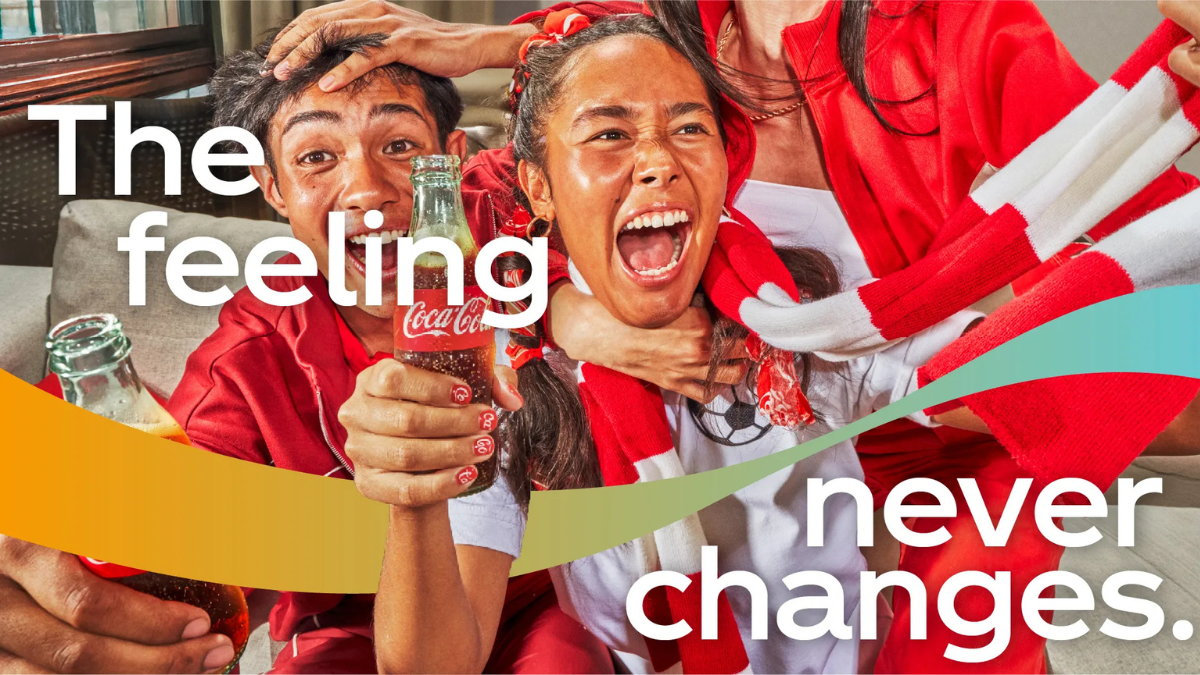
Coca-Cola’s “Feel it All” campaign focuses on the shared experience of the tournament - the highs and lows, the excitement, and the emotions. By putting their product centre stage, they reinforce how the brand sits alongside every moment of the World Cup experience.
Like Nike, Coca-Cola have set up a campaign ecosystem rather than a one-off advert with shareable content that feeds into the emotion and experience of the tournament.
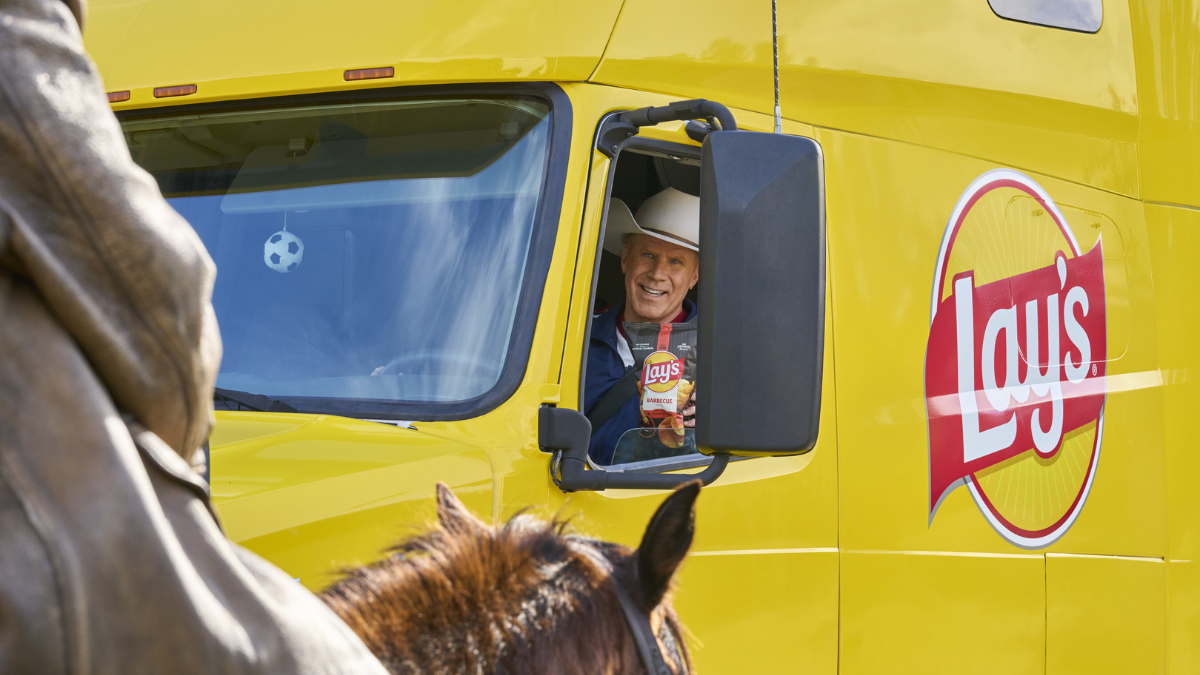
Snack brand Lay’s have turned the idea of jumping on the bandwagon on its head with their “Bandwagon” campaign. Rather than gatekeeping the tournament, they invite everyone to jump on the bandwagon and enjoy the World Cup, regardless of how serious a football fan they are.
Using humour and celebrity storytelling, they reflect both hardcore supporters and casual viewers, cleverly putting the audience at the centre of the campaign.
What these brands demonstrate is that reactive marketing campaigns work best when they feel authentic. Trying to shoehorn your brand into the conversation is likely to backfire.
The strongest World Cup campaigns don’t compete for attention, they add to the experience in a way that feels natural to the audience.
Want to know more about reactive marketing campaigns and how you can implement them? Get in touch with our Digital Content Manager, Georgia Terry, to find out more!
Talk to us about your next project.
Contact us now
.png)
.png)
.png)

